
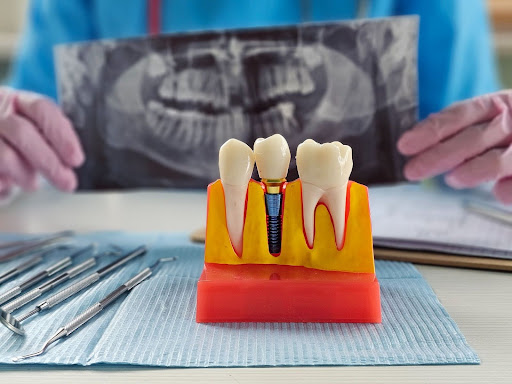
Dental implants rank among the most dependable and lifelong options to substitute lost teeth. They not only revive chewing power but also enhance speech and contribute to the maintenance of the natural human face shape. However, their effectiveness is largely determined by the organism’s ability to repair itself and bond with the implant. Smoking is a habit that interferes with this process directly. Many patients looking for the “best dentist near me” are shocked to find out that smoking can weaken implant results to such an extent. Knowing these risks is a must for any person who is planning to get an implant treatment.
Understanding How Dental Implants Heal
A dental implant is placed into the jawbone through surgery, and it is required to combine with the bone around it by means of a natural process called osseointegration. This is the bonding phase when the implants get their power and firmness.
Healing requires:
- Healthy blood flow
- Adequate oxygen supply
- Strong immune response
- Proper oral hygiene
On the other hand, smoking interferes with these aspects simultaneously. Therefore, the implant may not be able to integrate in a proper way; thus, the chances of complications or complete failure increase.
How Smoking Affects Oral Blood Supply
Reduced blood circulation is one of the most harmful consequences of smoking. Nicotine makes the blood vessels narrow so that the amount of oxygen and other nutrients that reach the site of the surgery is limited.
This leads to:
- Slower healing after implant surgery
- Higher risk of infection
- Reduced bone regeneration
- Weakened gum tissue
If the gums and bones are not sufficiently nourished, they will not be able to support the implant properly. Even small healing delays can be detrimental to successful osseointegration.
Increased Risk of Implant Failure in Smokers
Studies on a regular basis report smoking leading to a considerable increase in implant failure rates as compared to non-smoking. Failure may be of an early kind (when the implant is not successfully integrated into the bone) or of a late type caused by the gradual loss of bone around the implant.
Common reasons include:
- Poor bone-to-implant bonding
- Chronic inflammation around the implant
- Repeated bacterial infections
- Compromised immune response
Patients who initially searched for the “best dentist near me” may find themselves in the middle of implant treatment and realize that smoking is the major reason for their disappointment. They are smoking alone, which causes the decrease of implant success in the long run by a considerable percentage even if everything else is done perfectly.
Smoking and Gum Disease: A Dangerous Combination
Healthy gums provide the essential seal that protects the implant and underlying bone. Smoking very much heightens the risk of periodontal (gum) disease not only in people that brush and floss daily but also in non-sufferers.
Smoking obscures the early signs of gum disease, such as bleeding and swelling; thus, it gives the infection the opportunity to develop silently. Implant-related peri-implantitis is the term denoting the situation in which this inflammatory disease spreads and the resultant bone loss makes implants eventually loose.
Key characteristics of peri-implantitis include:
- Deep gum pockets around the implant
- Persistent bad breath
- Gum recession
- Gradual loss of implant stability
If at some point the disorder is far advanced, the possibility of removing the implant being quite few, saving the implant is a hard task.
Delayed Healing After Implant Surgery
Following implant placement, the body goes through a healing period where it is most active. In smokers, this period is often prolonged and unstable. The toxins introduced into the bloodstream by smoking, such as carbon monoxide and nicotine, hinder oxygen delivery and cell regeneration.
Delayed healing can result in:
- Prolonged pain and swelling
- Increased use of antibiotics
- Higher chances of wound breakdown
- Greater discomfort during recovery
The recovery period that is prolonged also leads to the post-surgical infection probability increase, which is a direct threat to implant stability.
Bone Loss and Weakened Jaw Structure
Cigarette smoking is one of the factors leading to overall bone loss in the body, the jawbone being no exception. This becomes quite problematic since dental implants have to be fastened on a solid bone, so diminished bone density is a major issue here.
Long-term smoking may result in:
- Thinner jawbone structure
- Reduced bone volume for implant placement
- Need for bone grafting before implants
- Lower long-term implant survival rates
Those patients with severely advanced bone loss are most likely to be offered additional surgeries for their jaw reconstruction prior to implant placement.
Impact on Oral Hygiene and Long-Term Maintenance
Implants in teeth must be given proper attention after the procedure, which implies both professional cleanings and good everyday oral hygiene. Cigarettes, however, hamper the proper performance of this maintenance in numerous ways.
Compared to nonsmokers, smokers are highly prone to:
- Staining and plaque buildup around implants
- Dry mouth, which increases bacterial growth
- Reduced effectiveness of natural immune defenses
- Persistent inflammation of soft tissues
As a result of these factors, implant and surrounding tissue health gets stealthily compromised over a prolonged time frame.
Can Smokers Still Get Dental Implants?
Smoking is not an absolute exclusion criterion for implant surgery; nevertheless, it places one in a group with the highest possibility of complications. The prerequisite for all further steps is a careful examination of bone health, gum condition, the general health situation, and smoking habits.
Some patients are advised to:
- Stop smoking several weeks before surgery
- Avoid smoking entirely during the healing phase
- Reduce tobacco use long-term for better outcomes
- Follow strict oral hygiene and follow-up schedules
Any smoking break, even if it is only temporary during the period of operation, is very helpful in healing and implant integration.
Practical Steps to Reduce Implant Risks if You Smoke
If a patient cannot really quit immediately, some steps can still be taken to lessen the chances of problems:
- Maintain meticulous brushing and flossing habits
- Use antibacterial mouth rinses as advised
- Attend all scheduled follow-up visits
- Avoid smoking for at least 1–2 weeks before and after surgery
- Seek support programs for smoking reduction or cessation
These steps will not eliminate the risks completely, but they can help bring about a successful outcome.
The Bigger Picture: Smoking and Overall Oral Health
The dangers that come with smoking are not limited to dental implants. Tobacco consumption is a major cause of:
- Tooth loss
- Persistent bad breath
- Oral cancer
- Delayed wound healing after any dental procedure
- Chronic gum infections
For patients planning complex dental treatments, smoking remains one of the most significant controllable risk factors affecting long-term success.
A Clear Path Toward Safer Implant Care
Dental implants are designed to be a lifetime solution, but their success depends not only on surgical skill but also heavily on patient habits. The device itself is meant to be a lifetime solution, but the success of the operation depends not just on the surgeon’s skill but also on patient habits. Working with professionals who focus on prevention, accurate planning, and patient education makes a big difference in results. In a place like SA Family Dentist, apart from complete implant assessment, patients also get individualized guidance, especially for smokers looking for the “best dentist near me.” On top of that, expert care combined with making healthy lifestyle choices not only creates the strongest groundwork for implant longevity but also promotes general oral health through services like dental implants, cosmetic dentistry, family dental care, and modern preventive dentistry.