
Dental cavities are one of the most prevalent oral health issues faced by people of all ages. Even though they may begin as small issues, if cavities are not treated properly, they can cause significant pain, infection, and even tooth loss over time. It is essential to know how cavities occur, how they can be identified at an early stage, and how they can be prevented from having a healthy and beautiful smile for a longer period. If you seek professional advice regarding oral health, you can consult a dentist near San Antonio, Texas.
What Are Cavities?
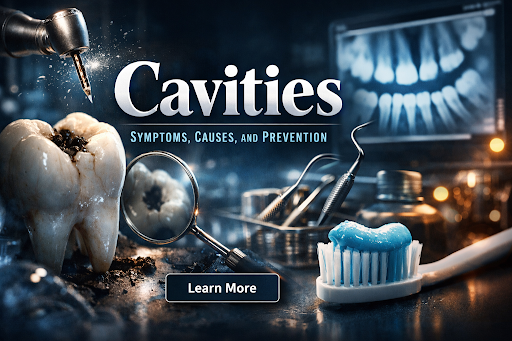
Dental cavities, also known as caries, are permanently damaged areas in the hard tissues of your teeth, which result in the formation of cavities or holes in your teeth after a period of time. Dental cavities occur in your teeth due to the gradual damage to your tooth enamel, which is a result of acid formation in your mouth due to bacteria present in your mouth.
When you ingest food products rich in sugar and carbohydrates, oral bacteria feed on them and produce acids. Gradually, this acid destroys your enamel, leading to cavities in your teeth.
Early Symptoms You Shouldn’t Ignore
The problem is that cavities start developing without any symptoms in the initial stages. It is therefore crucial to regularly have your teeth checked. However, once you have developed a cavity, you can start experiencing some symptoms.
Common Symptoms Include:
- Tooth sensitivity to hot, cold, or sweet food
- Mild to sharp tooth pain when biting or chewing
- Holes or pits in the teeth
- Brown, black, or white stains on the teeth
- Bad breath or an unpleasant taste
If you do not pay attention to these symptoms, it can cause your cavity to worsen and affect deeper layers of your teeth.
What Causes Cavities?
A cavity is not something you develop in one day. It is a combination of things that occur over a period of time to weaken your teeth.
Key Causes:
- Poor Oral Hygiene
If you do not regularly brush and floss your teeth, it can cause a sticky film of bacteria called plaque to develop on your teeth.
- Sugary and Acidic Foods
Consuming large amounts of food like candy, soda, and processed food can cause bacteria to develop.
- Dry Mouth
Saliva helps to wash away food and acids. If you have a dry mouth, you have a higher chance of getting a cavity.
- Frequent Snacking
Constantly snacking can cause bacteria to develop acids in your mouth.
- Lack of Fluoride
Fluoride helps strengthen your teeth and prevent cavities. If you do not have fluoride, your teeth can be more susceptible to cavities.
Stages of Tooth Decay
Knowing the different stages that tooth decay goes through may help you prevent the damage that may occur if you don’t take action at the right time.
1. Demineralization
White spots form on the enamel, and minerals are lost.
2. Enamel Decay
The enamel starts to decay, forming little cavities.
3. Dentin Decay
The decay process reaches the dentin layer, and sensitivity is felt.
4. Pulp Damage
The bacteria have reached the pulp, and pain is felt.
5. Abscess Formation
A severe infection may form, and immediate dental care is required.
At this point, midway through the decay, you need to seek professional help. You may need to visit a dentist near San Antonio, Texas, to prevent further damage to your tooth.
Effective Ways to Prevent Cavities
Preventing tooth decay is much easier and cheaper compared to tooth decay treatment. There are a number of things that you need to do to help prevent tooth decay.
Daily Oral Care Habits:
- Brush your teeth at least twice a day with fluoride toothpaste.
- Floss your teeth daily.
- Use an antibacterial mouthwash if prescribed.
Dietary Adjustments:
- Cut down on sugary snacks and drinks.
- Drink lots of water, especially after meals.
- Eat calcium-fortified foods like milk and milk products.
Professional Preventive Care:
- Schedule regular check-ups and cleanings.
- Consider getting dental sealants for your teeth.
- Consider getting fluoride treatments.
Treatment Options for Cavities
If a cavity occurs, it can be treated in such a way that it will not lead to further problems. The treatment for a cavity depends on how severe it is.
Common Treatments Include:
Dental Fillings:
Dental fillings are done for cavities that have not progressed too far. It involves filling up the affected area with a strong substance.
Crowns:
It is recommended for people who have large cavities. It helps restore your teeth.
Root Canal Therapy:
It is done if your pulp is infected. It helps save your original teeth.
Tooth Extraction:
Sometimes, if your tooth is badly affected, it is better to remove it to avoid further infection.
Modern dental practices concentrate on maintaining your original teeth, and this has been made possible through advanced dental treatments to ensure comfort and efficacy.
Why Regular Dental Visits Matter
Regular dental visits are crucial in maintaining your teeth and preventing cavities from forming. Your teeth may look and feel fine, but underlying cavities may be forming, even if you do not feel them.
Regular dental visits also help in maintaining your teeth through professional cleaning, which helps in removing plaque and tartar buildup, especially if your teeth brushing has not fully cleaned your teeth. Your dentist can also help in identifying early warning symptoms and give personalized advice depending on your oral condition.
A Healthier Smile Starts with the Right Habits
Good oral hygiene involves a combination of daily oral hygiene, proper diet, and regular dental checkups. Cavities, though common, are preventable if one takes the right approach.
If you are having problems or just want to be proactive, a visit to a dentist near San Antonio, Texas, will help you achieve long-term oral hygiene. At SA Family Dentist, patients receive a wide array of oral care, including dental checkups, teeth cleaning, cavity treatment, preventive dentistry, fluoride treatment, oral healthcare, family dentistry, and restorative dentistry, all meant to ensure that patients enjoy better oral hygiene, thus a healthier smile, regardless of whether they are children or adults.
If you stay informed and keep your oral hygiene in check, you will be able to avoid cavities and enjoy a healthy, confident, and pain-free smile.