
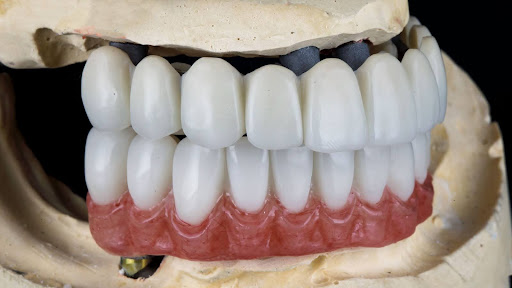
With missing teeth, your smile won’t be the only thing affected. The missing teeth can change the way you chew, speak, and even how your jaw functions over time. Dentures are a typical way of fixing the problem, but the method differs from one tooth to another. The front teeth and the molars are two completely different things, and this determines the extent to which bridges are considered and their architecture. In case you ever searched for a “dentist in San Antonio near me,” you might have realized that the suggestions for the treatment differ, and that is the right thing to do.
Understanding What a Dental Bridge Does
A dental bridge is a device that can fill the gap of one or several missing teeth with the help of an artificial tooth firmly fixed to the adjacent healthy teeth or dental implants. The fundamental idea is the same for all; however, the materials, the form, and the placement can differ depending on where the missing tooth is located.
The primary objective is always balance: restoring function, maintaining oral health, and making sure that the bridge is comfortable within your bite.
The Role of Front Teeth vs. Molars
Front teeth (incisors and canines) as well as molars have different functions.
- Front teeth determine the look, help the person to speak clearly, and biting the food.
- Molar teeth do the heavy work of chewing and grinding; thus, they are the ones that get a lot more of the pressure.
It is, therefore, necessary that bridges for each part are planned differently according to priorities because of this.
Dental Bridges for Front Teeth
Dental bridges for front teeth are mainly aimed at restoring the teeth visually and their subtle functions. These teeth are the ones that are seen when you smile or talk, so even slight differences in shape or color can be quite noticeable.
Some of the main points to consider are:
- Natural appearance: The bridge must have a very close resemblance to the size, shape, and color of the neighboring teeth.
- Minimal bulk: Generally, front bridges are typically slimmer in order to keep comfort and normal speech.
- Precise alignment: Even a slight misalignment can make pronunciation difficult and can cause uneven wear.
Works such as porcelain or ceramic are mostly chosen because they have similar characteristics for light as natural enamel, thus the bridge is hardly distinguishable.
Dental Bridges for Molars
Molars are not very visible, but they are very important for the daily function of the mouth. Bridges in this region are built to resist heavy biting forces for a long time.
The most important factors are:
- Strength and durability: The materials must be very strong because molars are under constant pressure.
- Bite stability: Correct alignment is very important to avoid jaw pain or uneven wear.
- Long-term support: The bridge must protect neighboring teeth from shifting or excessive stress.
As a result of these conditions, materials with added strength may be used for molar bridges or they may be elevated by dental implants to provide extra stability.
Differences in Materials and Design
The material selection mostly depends on the place:
- Front teeth bridges are all ceramic or porcelain, fused for a natural look.
- Molar bridges can have metal or zirconia to be more durable, even if the metal is not visible and the aesthetics are less important.
The design also differs. Front bridges emphasize a smooth and natural shape, while molar bridges have functional grooves for proper chewing.
Comfort and Daily Function
Patients report different feelings depending on the location of the bridge. A front bridge may change speech or lip movement temporarily, whereas a molar bridge may alter the way food is chewed. Such changes are normal and usually last for a short period of time.
During the middle of treatment planning, a lot of patients wonder if the same method can be used for all missing teeth. Here is the point where experience is important and why a consultation with a “dentist in San Antonio near me” who knows these details can help you achieve better comfort and results.
Maintenance and Longevity Considerations
Both kinds of bridges need regular maintenance, but the risks are a little different.
For Front Teeth Bridges:
- Staining can be more visible.
- Gum health is very important in order to keep a natural appearance.
For Molar Bridges:
- Wear caused by grinding or clenching can shorten the lifespan.
- Thorough cleaning is necessary to prevent decay around the supporting teeth.
Proper oral hygiene and routine dental visits will help any bridgefront or backto last for a long time.
How Treatment Planning Differs
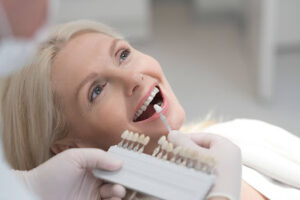
When deciding on a bridge, dentists look beyond just the missing tooth. They consider bite force, jaw alignment, gum condition, and even facial structure. Replacing front teeth might require detailed shade matching and cosmetic planning, whereas replacing molars concentrates on structural integrity and durability.
Such a personalized plan guarantees that the bridge will be beneficial to the overall oral health and will not cause new problems later on.
A Thoughtful Approach to Tooth Replacement
Deciding between bridge alternatives is not about which one is better, but rather which one is more suitable for a particular place and the patient’s needs. In any case of replacing a front tooth that is visible or a molar that is under heavy use, careful planning will provide the necessary comfort, function, and durability.
For patients who are looking for advice from a “dentist in San Antonio near me,” a collaboration with a clinic such as SA Family Dentist equates to having an advanced treatment that not only focuses on the visual aspect but also the functionality. Over time, knowing the distinctions helps the patients in having the right knowledge when selecting the restorative treatments like dental bridges, cosmetic dentistry, tooth replacement options, and restorative dental care, which go hand in hand with maintaining a healthy and attractive smile. If you’re considering a dental bridge and want to understand which option suits your smile and bite best, scheduling a professional evaluation can help clarify your choices and ensure long-term comfort and function.