
After a cancer diagnosis, medical appointments, treatment decisions, and hospital visits naturally take priority. Searching for the best dentist near me may not seem urgent when chemotherapy or radiation is approaching. However, an untreated dental infection, loose filling, or inflamed gum can become more difficult to manage once cancer treatment begins. A dental examination before treatment helps identify these concerns while there is still an opportunity to address them safely.
Why Does Oral Health Matter Before Cancer Treatment?
Cancer treatments can affect more than the area being treated. Certain chemotherapy drugs may temporarily reduce white blood cell counts, making it harder for the body to fight infections. Radiation directed at the head and neck can affect salivary glands, oral tissues, and the jawbone.
These changes matter because the mouth naturally contains bacteria. A minor dental problem that causes little discomfort today may require more complicated management when the immune system is weakened.
Patients may experience mouth sores, dry mouth, changes in taste, or difficulty eating during treatment. Existing dental conditions can add to that discomfort.
The purpose of an early dental visit is not to make every tooth perfect. It is to identify problems that could interfere with treatment and develop a sensible plan with the oncology team.
How Early Should You Visit a Dentist?
Ideally, patients should arrange a dental examination about four weeks before starting cancer treatment when their medical schedule allows. This provides an opportunity to complete necessary procedures and allow tissues to heal.
However, cancer treatment cannot always wait. Some patients must begin chemotherapy within days of receiving their diagnosis.
If you are searching for the best dentist near me after receiving your treatment schedule, explain the situation when booking. The dental office needs to know when treatment begins, what type of therapy is planned, and whether your oncologist has recommended a dental assessment.
A short preparation window does not make the visit pointless. Your dentist may still identify urgent concerns and recommend appropriate preventive measures. Cancer treatment should never be postponed for dental work without agreement from the oncology team.
What Happens During a Pre-Cancer Treatment Dental Examination?
A pretreatment appointment involves more than checking for cavities.
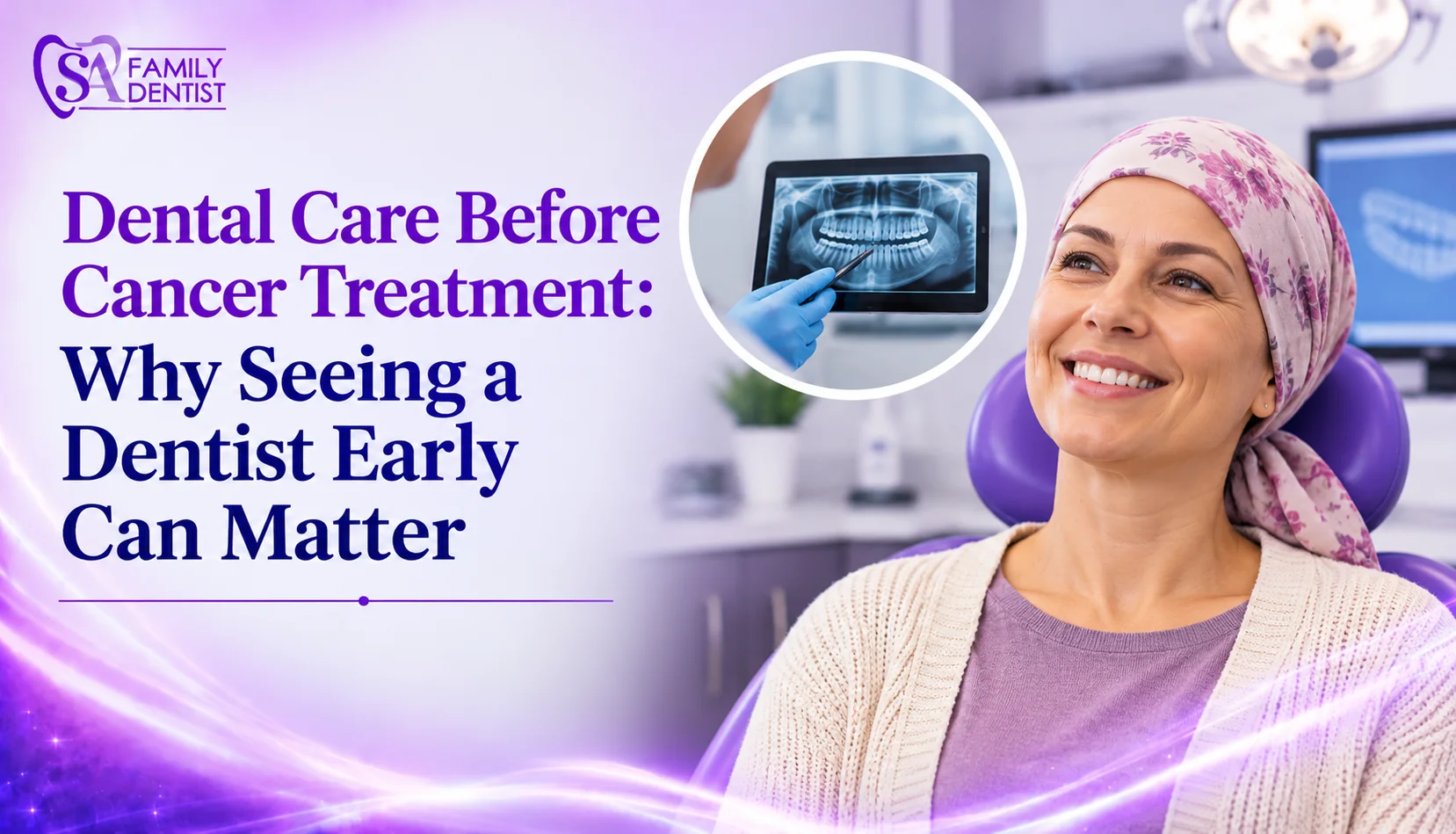
Through a comprehensive general dentistry examination, the dentist evaluates the teeth, gums, oral tissues, and existing restorations. Dental X-rays may be recommended to identify concerns that cannot be seen during a visual examination.
Some problems develop without obvious symptoms. An old filling may have decay beneath it, or a tooth with previous treatment may show signs of infection.
Understanding dental problems that can remain hidden without regular checkups is particularly important when treatment may temporarily affect the body’s ability to manage infections.
Gum Inflammation and Periodontal Disease
Bleeding gums, deep periodontal pockets, or loose teeth deserve attention before chemotherapy.
A dentist may recommend periodontal disease treatment when gum infection requires management. The appropriate treatment depends on disease severity and the available time before oncology care begins.
Infected or Severely Damaged Teeth
A tooth with an infected pulp may require root canal therapy if it can be preserved safely.
In other circumstances, removing a severely damaged tooth may be considered. However, extractions require careful planning because healing can become more complicated during certain cancer treatments.
Not every cavity needs immediate treatment. The dentist and oncologist should prioritize procedures according to infection risk, treatment timing, and the patient’s medical condition.
Why Chemotherapy and Radiation Need Different Dental Planning
Chemotherapy can affect blood cell counts and the lining of the mouth. Dental procedures performed during periods of low immunity or reduced platelet counts may carry additional risks.
Radiation involving the head and neck presents different concerns. Salivary gland damage may increase the risk of tooth decay, while radiation affecting the jawbone can create long-term healing difficulties.
Patients receiving head and neck radiation may need prescription-strength fluoride, custom fluoride trays, and ongoing dental monitoring. An oral oncology specialist may also be involved.
If your search for the best dentist near me is related to an upcoming radiation appointment, mention whether your mouth, jaw, or salivary glands will be within the treatment area.
The dentist may need to coordinate directly with the radiation oncologist before recommending invasive procedures.
Patients taking certain bone-targeting medications should also disclose them because these medications can affect dental treatment decisions.
What Information Should You Share With Your Dentist?
A dental appointment is more useful when the dentist understands the medical plan.
Bring your oncology team’s contact information, a current medication list, and details of your expected treatment dates. Mention previous chemotherapy, radiation, bone-strengthening medications, and any recent blood test results your oncology team has advised you to share.
This information helps the dental team determine what can be treated immediately, what requires medical clearance, and what should be monitored.
When comparing clinics after a best dentist near me search, consider whether the dentist is willing to communicate with your oncology team. For complex cases, coordinated care is more important than simply obtaining the earliest available appointment.
Caring for Your Mouth During Cancer Treatment
Once treatment begins, everyday oral care may need adjustments.
A soft-bristled toothbrush and fluoride toothpaste can help maintain oral cleanliness. Patients should follow their care team’s instructions regarding flossing, mouth rinses, and managing sensitive oral tissues.
For patients who want to improve their daily habits, understanding effective oral hygiene routines can provide a useful starting point. However, routine recommendations may need modification when mouth sores, bleeding, or immunosuppression occur.
Avoid starting whitening treatments, elective dental procedures, or new oral care products without discussing them with your healthcare team.
What If a Dental Problem Develops During Treatment?
A new toothache, swelling, or persistent oral discomfort should not be ignored.
Patients experiencing significant symptoms may need an emergency dentistry evaluation. However, the dentist should know about ongoing cancer treatment before any procedure is performed.
Your oncologist may need to review blood counts, medications, and infection risks first.
If swelling is accompanied by fever or other signs of infection, contact your oncology team immediately. Difficulty breathing or swallowing requires emergency medical attention.
Frequently Asked Questions
1. Is dental clearance required before chemotherapy?
Not every patient needs formal dental clearance. However, a pretreatment dental evaluation is especially important for patients receiving intensive chemotherapy, stem cell transplantation, or treatments associated with significant oral complications.
2. Can a dentist extract a tooth before cancer treatment?
Yes, when clinically necessary and medically appropriate. The dentist and oncologist must consider the treatment schedule, healing requirements, and individual risk factors.
3. Does every cancer patient develop dental problems?
No. Oral complications vary depending on the treatment, dosage, medical history, and existing oral health. Some patients experience relatively few problems, while others require additional dental support.
4. Can I continue regular dental visits during chemotherapy?
Dental care may continue when appropriate, but invasive or elective procedures should be coordinated with the oncology team. Your treatment schedule and current blood counts may influence when dental appointments are safest.
5. Should I visit a dentist even without tooth pain?
Yes, particularly when your oncology team recommends a pretreatment examination. Dental infections and gum disease can develop without causing noticeable discomfort.
Arrange a Dental Visit Before Your Cancer Treatment Begins
Dental care may seem like a small consideration alongside cancer treatment, but identifying oral health problems early can help reduce avoidable complications.
If you are looking for the best dentist near me while preparing for chemotherapy or radiation, SA Family Dentist offers dental evaluations and general dental care for patients throughout San Antonio.
With convenient locations in Braun, Jackson Keller, and Nacogdoches, SA Family Dentist can help assess your current oral health, discuss concerns requiring attention, and coordinate with your medical team when necessary.
Explore SA Family Dentist’s locations and schedule a dental consultation before your cancer treatment begins. Share your oncology treatment schedule when booking so the dental team can help determine the appropriate next steps.