
Veneers are one of the most effective ways to enhance the appearance of your smile. They can fix stains, chips, gaps, and even the unevenness of your teeth with results that look like your own natural teeth. A lot of people that google “best cosmetic dentist near me” are those who want to have beautiful and long-lasting veneers that require little to no maintenance. Although veneers are designed to be tough, they are not unbreakable. The truth is, what you consume in terms of food and drink has a very big influence on how long your veneers will last and look fresh.
Knowing what kinds of foods and drinks can harm veneers allows you to keep your smile looking great while actually saving up for other things.
How Veneers React to Daily Eating Habits
Veneers on your teeth are usually made of either porcelain or composite resin. Both are very strong and good at resisting stains; however, these materials do still “respond” to continuous contact with acids, pigments, and even the pressure. Furthermore, unlike natural enamel, veneers do not regenerate or “heal” when they get damaged. That is why the situations of excessive wear, cracks, stains, or bonding issues usually mean getting these fixed or replaced.
Daily habits such as sipping acidic drinks, chewing on hard foods, or frequent exposure to dark-colored beverages can slowly weaken the surface or dull the shine of even high-quality veneers.
Staining Beverages That Affect Veneer Appearance
One of the factors in which veneers impress is how much better they are at resisting stains than natural teeth. However, the material with which they are joined at the edges is a different thing. So, the dark drinks over a certain period can stain these margins, which are the edges of veneers, thus making veneers look either uneven or older than they actually are.
Some of the most common staining drinks include:
- Coffee and espresso
- Tea (especially black and green tea)
- Red wine
- Cola and dark sodas
- Energy drinks with artificial coloring
Moderate consumption of these and rinsing with water right after can be a good means to bridle the discoloration. Also, by using a straw for cold drinks, direct contact with the veneer surface is reduced.
Acidic Foods and Drinks That Weaken Veneers
Acid is the biggest enemy not only of natural teeth but also of veneers. Acidic items dissolve those that are the very outer layer of porcelain, thus introducing microscopic pores in it, and can also weaken the glue that holds the veneers in place.
Some of the high-acid foods that you should be careful with are:
- Citrus fruits
- Tomatoes
- Vinegar-based dressings
- Pickled foods
- Carbonated drinks
Sports drinks, flavored waters, and some herbal teas also contain acids that are not easy to see.
The consequences of continuous acid exposure are losing the shine of the veneers and the wearing down of the edges, which become more vulnerable to fractures over time. The reason why people are being told to wait at least 30 minutes before brushing their teeth after consuming acidic foods is that immediate brushing will cause surface abrasion when the enamel surface is temporarily softened by acid.
Hard Foods That Can Chip or Crack Veneers
Though enough for normal chewing of a human, veneers aren’t strong enough to handle any kind of excessive force. A bite into extremely hard foods can make the veneers chip or crack or even create complete damage to the covering.
Common risky items include:
- Ice cubes
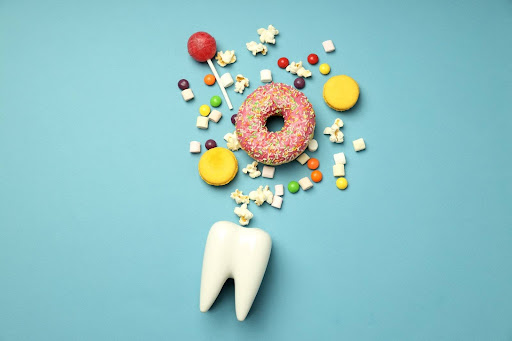
- Hard candy and toffees
- Nuts with hard shells
- Popcorn kernels
- Uncut apples and hard raw carrots
As far as being able to do so, chopping these foods into smaller pieces and chewing with your molars would be the safest course of action. Don’t use veneered teeth to open packages or to bite on non-food items.
Sticky and Chewy Foods That Stress Veneer Bonding
Sticky foods place repeated pulling pressure on the margin of veneers. While the bonding agents used today are strong, continuous stress can weaken the seal over time.
Food products that may become problematic are:
- Caramels
- Chewing gum
- Gummy candies
- Dried fruits
- Sticky desserts
Besides, these foods can also hold sugars around the edges of veneers, thus putting the natural tooth underneath in danger of decay.
Good oral hygiene and sticky snack limitation are two things that play an important role in the security of veneers’ bonding.
Sugary Foods and Their Hidden Risks
Sugar on its own is not a direct factor in damaging veneer materials; however, it is a fuel for bacteria in your mouth. These bacteria produce acids that wear down the tooth structure under the veneer. If decay appears under a veneer, the whole restoration can be compromised, and so it might be necessary to replace it entirely.
Moreover, frequent consumption of pastries, candies, sweetened cereals, and sugary drinks will escalate the risk of decay greatly. At the same time, brushing twice a day with a fluoride toothpaste and flossing thoroughly along the veneers are must-do preventive practices.
Alcohol and Its Long-Term Effects
Alcoholic drinks may, without the knowledge or intention of the consumer, affect veneers in different ways. A majority of alcoholic drinks are either acidic, dark-colored, or contain a high amount of sugar. The smoke, mixed drinks, and cocktails not only make the restorations of the teeth stained with the pigments but also expose them to acid and sugar, which is a very harmful process.
Eventually, alcohol bonding cement regularly exposed to alcohol might become weak; thus, veneers will be more at risk of loosening. However, drinking water together with alcohol can still partly alleviate the acid attack on the enamel.
Temperature Extremes and Veneer Stress
Changing temperatures very rapidly can tear the layers of the veneer material. For instance, if one is constantly switching between drinking hot coffee and iced water, the heating and cooling effects might occur gradually, and thus, very slow but still minor expansion and contraction take place. Therefore, the repeated microscopic cracks may become larger, or the bond on the surface may eventually get fatigued.
Helping the pieces of porcelain stay intact for a longer period of time can be achieved also by not exposing them directly to extreme temperature changes and letting the drinks cool down a bit.
A Midway Reminder on Professional Guidance
Consistent dental care is just as important as eating habits when you are at this point of your veneer journey. Finding the best cosmetic dentist near me for regular checkups is the key to spotting and fixing small issues, such as early margin staining or minor bonding wear, at a time when they are still very cheap to solve. Professional polishing, regular checkups, and advice on safe food choices contribute greatly to extending the lifespan of veneers.
Foods That Are Generally Veneer-Friendly
Plenty of foods are good for both oral health and the longevity of veneers; however, some foods need to be eaten with caution:
- Soft fruits like bananas and melons
- Cooked vegetables
- Dairy products like yogurt, milk, and cheese
- Lean proteins such as eggs, fish, and chicken
- Whole grains and soft breads
Those foods put little-to-no stress on veneers and are not major contributors to picking or acid erosion.
Daily Habits That Protect Veneers Beyond Diet
Diet is still just one factor of veneer care. Some easy daily habits can bring significant changes:
- Use a non-abrasive toothpaste
Brush gently with a soft-bristled toothbrush
Floss daily to protect veneer margins
Wear a night guard if you grind your teeth
Avoid using teeth as tools
Grinding and clenching put veneers under a heavy load and are a major source of breakages and debonding. So, if you have jaw tension or tooth sensitivity in the morning, you probably would be advised to get a custom night guard.
Children, Teens, and Veneers: Food Awareness Matters
While veneers are mostly common in adults, some younger patients have also been provided for either cosmetic or functional purposes. Therefore, these patients need to be extra cautious when it comes to school snacks, sports drinks, and the habitual intake of sugary treats. Teaching healthy food choices is a way of providing protection to veneers, especially in periods when it is difficult to manage dietary routines.
Parents, on the other hand, need to be equally careful about the impacts of sports. Mouthguards are a must for children or athletes with veneers who are engaged in contact sports.
What to Do If a Veneer Chips or Stains
In case you see that a veneer is stained, chipped, or has a rough edge, first of all, don’t eat hard foods from that side, and then make an appointment with your dentist as soon as possible. Most times, small dent can be smoothed out or fixed if it is at its early stage. Waiting for a long time before attending to it will force you to have the whole veneer replaced.
There is no substitution for professional advice when it comes to home treatments, whitening kits, or abrasive cleaners for veneers because using them can cause permanent surface damage.
A Thoughtful Note on Long-Term Smile Care
One thing veneers can do is to radically change your smile for the better; however, how long they will last mostly depends on what you do on a daily basis. How much you drink, chew, and maintain your oral hygiene, being mindful of it, makes a big difference, which is measurable. Many patients come to us after their search for the “best cosmetic dentist near me,” but they are not aware that the real success of veneers is found in long-term care and responsible habits after placement.
Ultimately, the main thing in veneer protection is not giving up all the foods you love, but rather it is about balance, awareness, and consistency.
Keeping Your Smile Strong for Years Ahead
An attractive and self-assured smile is the result of both professional care and conscious daily decisions. Our primary goal at SA Family Dentist is to teach patients the best ways to keep their dental restorations safe through down-to-earth and achievable guidance. If you are thinking of getting veneers or you already have them, being conscious of everyday risks, such as acidic drinks and hard snacks, will make it possible for you to get the most out of your smile without the extra troubles. Nowadays, the demand for cosmetic dentistry is very high, and therefore patients are looking into different options like porcelain veneers, teeth whitening, and smile makeovers while also comparing dental veneer costs. Nevertheless, being an informed patient is still the foundation that leads to long-lasting results.