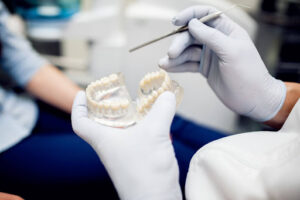


Bleeding gums and oral pain can be alarming, especially when they appear suddenly. While minor bleeding may result from aggressive brushing or flossing, persistent gum bleeding accompanied by swelling or discomfort may indicate a serious issue that needs urgent dental attention. If symptoms worsen, visiting an emergency dental clinic is the safest step. However, before you reach the clinic, there are several things you can do at home to ease the discomfort and prevent the condition from getting worse.
1. Understanding Why Gums Bleed and Hurt
Gum bleeding and pain can occur for a variety of reasons. Identifying the possible cause can help you manage the situation better before professional treatment. Common causes include:
- Poor oral hygiene: Plaque buildup can inflame the gums and cause bleeding.
- Gingivitis or periodontitis: Advanced gum disease often leads to chronic bleeding and pain.
- Vitamin deficiency: Lack of Vitamin C and K can weaken gum tissues.
- Injury or irritation: Hard brushing, dental appliances, or sharp foods can damage the gums.
- Hormonal changes: Pregnancy or hormonal fluctuations may make gums more sensitive.
Recognizing the root cause helps determine whether home care is enough or if an immediate visit to an emergency dental clinic is necessary.
2. Steps to Take Right Away for Relief
If your gums start bleeding unexpectedly, don’t panic. The right approach can help control the bleeding and ease discomfort until you see a dentist.
Here’s what you can do immediately:
- Rinse gently with salt water: Mix half a teaspoon of salt in a glass of warm water. Swish gently to clean the mouth and reduce bacteria.
- Apply pressure: If the bleeding is localized, use a clean gauze pad and press gently for a few minutes to stop it.
- Use a cold compress: Apply an ice pack to your cheek to reduce swelling and relieve pain.
- Avoid irritation: Refrain from smoking, using mouthwash with alcohol, or eating spicy foods until the gums heal.
- Brush carefully: Use a soft-bristled toothbrush and gentle circular motions to clean without aggravating the gums.
These measures help prevent further irritation and keep bacteria under control while waiting for professional dental care.
3. When to Seek Immediate Dental Attention
Not all gum bleeding requires emergency care, but certain symptoms signal that you need urgent help. Seek prompt attention from an emergency dental clinic if you notice:
- Bleeding that doesn’t stop after 10–15 minutes of pressure
- Severe pain or throbbing near the gums or jaw
- Swelling spreading to the face or neck
- Signs of infection, such as pus, bad taste, or fever
- Loose teeth or visible gum recession
These signs may indicate an underlying infection or advanced gum disease that requires immediate treatment to prevent complications.
4. Over-the-Counter Remedies for Temporary Relief
If professional care isn’t available right away, certain over-the-counter options can help manage pain and discomfort:
- Pain relievers: Non-prescription medications like ibuprofen can reduce inflammation and pain.
- Antibacterial mouth rinses: Alcohol-free rinses with chlorhexidine or hydrogen peroxide can help control bacteria.
- Topical gels: Gels containing benzocaine can numb the gums and reduce irritation.
Use these products cautiously and only as directed. Overusing medicated rinses or gels can cause further gum irritation.
5. Preventing Future Gum Problems
Once your gums have healed, adopting preventive habits is key to avoiding recurrence. Prevention not only protects your gums but also reduces the chances of costly dental emergencies in the future.
Here’s how to maintain healthy gums:
- Brush twice daily using a soft toothbrush and fluoride toothpaste.
- Floss once a day to remove food debris and plaque from between teeth.
- Eat a balanced diet rich in vitamins C and K.
- Stay hydrated to maintain saliva flow and neutralize acids.
- Schedule regular dental cleanings and checkups every six months.
Preventive care is always more cost-effective and comfortable than emergency treatment.
6. Common Mistakes to Avoid During a Gum Emergency
In a panic, many people try home remedies that can make things worse. Avoid these common mistakes:
- Using aspirin directly on gums: This can cause chemical burns and worsen pain.
- Ignoring prolonged bleeding: Persistent bleeding often signals a deeper issue.
- Skipping meals or hydration: Dehydration can slow healing and increase irritation.
- Delaying treatment: Waiting too long can allow infections to spread to other areas of the mouth.
If bleeding or pain persists beyond a day or two, professional evaluation is crucial.
Getting Reliable Emergency Dental Help in Texas
When gum pain and bleeding become unbearable, finding a trusted dental clinic in San Antonio, TX ensures quick relief and long-term protection for your oral health. Experienced professionals can accurately diagnose whether the issue stems from gum disease, an infection, or another condition — and provide targeted treatment right away.
Modern clinics in Texas are equipped with advanced diagnostic tools and offer same-day appointments for urgent cases. Dentists assess the gums, clean the affected area, and provide antibiotics or specialized care when necessary.
Visiting an emergency dental clinic is the safest way to prevent minor gum issues from turning into major complications. In most cases, early treatment not only saves the affected teeth but also prevents further damage to your overall oral health.
By acting quickly and following the right steps, patients can manage bleeding gums effectively, reduce discomfort, and restore their smiles without long-term consequences.