

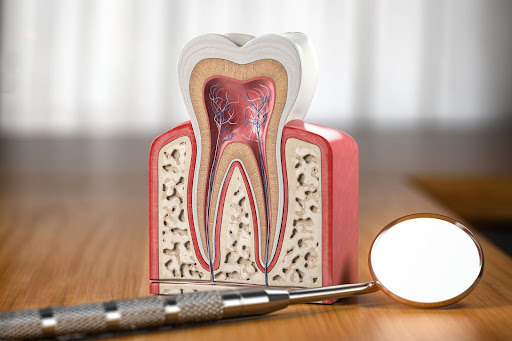
A root canal infection occurs when bacteria get inside the pulp of the tooth, which is usually a result of deep decay, cracked teeth, or cavities that have not been treated. Even though most people think of dental care procedures, such as the best dental implants in San Antonio, TX, when they have a problem with their teeth, an infection in a natural tooth needs to be taken care of in time so as not to cause pain, tooth loss, and other health issues. Understanding the symptoms can help you avoid getting too late for the treatment.
What Happens During a Root Canal Infection?
The pulp is a soft tissue that is found in the middle of the tooth, and it has nerves and blood vessels. Upon contact with the bacteria, the immune system induces inflammation in the pulp, and the infection follows. This is a slow process in which, at times, people don’t realize the warning symptoms. In a later period, aching in the tooth becomes unbearable as a result of high pressure, and infection may also spread to the bone and soft tissues around the tooth.
Pain That Doesn’t Feel “Normal”
Pain in the tooth is not always the same. A root canal infection usually brings about a pain that:
- Continues after eating or drinking
- Is deep, pulsating, or stabbing
- Gets worse when the person is lying down
Unlike short sensitivity, this pain might come and go, but it usually gets increasingly more severe with time.
Sensitivity to Hot and Cold
If the tooth is so sensitive that it feels like the nerve inside is involved when you give the hot coffee or the cold water, but the sensation lasts longer than a few seconds, then maybe it is nerve involvement. Persistent sensitivity is actually the most common sign that the pulp is inflamed or infected, and it is necessary to see a dentist.
Swelling and Changes in the Gums
The infection of a tooth can spread to the gums. Look for:
- Swelling or tenderness around a single tooth.
- A small pimple-like bump on the gums (often a drainage point for infection)
- Redness that gets no better with brushing.
Such signs indicate that the body is fighting an infection that is hidden underground.
Tooth Discoloration and Pressure Sensitivity
Sometimes, an infected tooth may turn dark over time due to damage to the tissue inside. Besides this, pain may be felt while biting or chewing as the pressure will be on the most inflamed area. Patients, in some cases, may have to first deal with such infections before they can proceed with implant choices like the best dental implants in San Antonio Tx for the sake of bone and oral health preservation.
Bad Taste or Persistent Odor
A bad taste that is always there in the mouth or bad breath that continues can be the signs of pus being released from an infected tooth. Unlike normal breath issues, this does not get better with brushing or mouthwash.
When Ignoring Symptoms Becomes Risky
If you do not treat a root canal infection, it may travel outside the tooth, causing an abscess, and eventually, it may lead to systemic complications. Modern imaging techniques should be used for early diagnosis, then thorough cleaning of the infected canals, and finally, proper restoration to keep the natural tooth as long as possible.
Protecting Your Smile Through Awareness
Being aware of symptoms is very helpful in preserving your oral health. At SA Family Dentist, we consider that learning and taking the first steps to care are essential. Just by seeing to an infection immediately, you not only get rid of the pain but also maintain the freedom of long-term choices, be it saving a tooth or scheduling for the best dental implants in San Antonio Tx later. Staying proactive and informed can have a great impact on your life longevity with regard to issues related to root canal treatment, tooth infection symptoms, endodontic treatment, or when you need to visit an emergency dentist in San Antonio when you are short of time.