
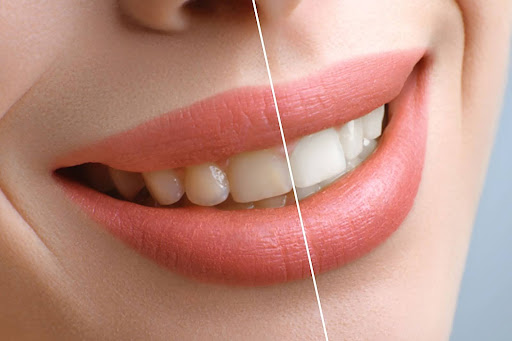
Teeth whitening is one of the most common dental treatments requested nowadays. With so many products and procedures on the market, people often wonder if whitening is safe for their teeth. In fact, many people are looking for cosmetic dentistry near me to find a trustworthy professional who can safely lead them to a brighter smile without damaging their oral health. This article explains what dentists want to share about whitening, how to pick safe methods, and what to anticipate before and after the treatment.
Why Teeth Whitening Has Become So Popular
An attractive smile increases the person’s self-confidence, helps to make a good first impression, and can even encourage better oral hygiene. Most dental practices, including SA Family Dentist, offer professional-grade options that produce visible results in a short period because modern whitening techniques are more efficient and accessible than ever. However, with the rise in popularity of the procedure, the number of questions has also increased. Patients inquire if whitening deteriorates enamel, induces sensitivity, or if the results can last for a long time. Understanding how whitening works helps clear up these concerns.
How Whitening Treatments Work
One of the commonly used methods for whitening is bleach, a professional bleaching treatment. Most of the time, hydrogen peroxide or carbamide peroxide is used to dissolve the stains that are either on the surface or under the enamel of the teeth. Some of the stains may be derived from:
- Coffee, tea, wine, and soda
- Tobacco use
- Age-related enamel changes
- Certain medications
In the case of correct usage, whitening agents not only can remove the penetrated stains but also are quite safe for enamel. The structures of the teeth are not damaged. Everything is done in the same way, even by alternative options, but they differ considerably in terms of strength, safety, and consistency.
Is Teeth Whitening Safe?
The majority of dentists acknowledge that there is not much risk involved in whitening if one follows a doctor’s instructions very carefully. “If performed correctly” is the key phrase here. Whitening has safety issues researched over several decades, but if it is misused or overused, the problems that occur will only be temporary.
The Most Common Side Effects
Mostly, whitening is not the root of big problems, but very rarely small symptoms happen, for example:
- Temporary tooth sensitivity
- Mild gum irritation
- Dry mouth immediately after treatment
- Uneven results if plaque is present
The bulk of these issues disappears within 24 to 48 hours. Dental practitioners lessen the potential dangers by fitting the trays individually, applying the bleaching agents in a regulated manner, and using a protective coating for the gums.
Why Professional Whitening Is Safer Than DIY Options
Though a kit from a store can provide your teeth with some degree of whitening, it cannot compete with that which is performed at a dental office in terms of precision. Before any whitening procedure is performed, dentists will check to see if the patient’s teeth are healthy, look for any cavities, and make sure the gums are in good condition. It is particularly vital to emphatically state here that the patients having one or more of the following conditions should seek the opinion of a specialist first before any tooth bleaching process is initiated:
- Thin or cracked enamel
- Gum recession
- Dental restorations
- Pre-existing sensitivity
- Ongoing dental conditions
By going through a dentist, you will be able to prevent the overuse of the whitening agents and, hence, ensure that the effect will last for a long time.
Who Should Not Use Whitening?
Teeth whitening may not be a good idea for everyone. Dentists usually advise that such people take caution or look for other alternatives; they are:
- Pregnant or breastfeeding individuals
- Children under 16
- People with untreated cavities or gum disease
- Those with severe enamel erosion
- Patients with large restorations on front teeth
In such instances, dental professionals might recommend veneers, bonding, or simply waiting until the whitening process can be carried out safely due to good oral health. This is one amongst the reasons that lots of patients seek cosmetic dentistry near me; a dentist can help you figure out the best cosmetic route for your unique requirements.
Whitening Procedures: An Overview
Everyone’s teeth are different; that’s why there are different whitening methods. These are the most typical choices in brief:
1. In-Office Whitening
This technique, completed in a dental clinic, is the quickest one and provides the most obvious and dramatic results. With a professional system, highly controlled whitening agents are utilized, and for the power of the whitening, LED activation may be applied.
Benefits:
- Results in a single visit
- Dentist-monitored for safety
- Strongest whitening effect
2. Take-Home Custom Trays
Dentists create trays that fit your teeth perfectly, allowing safe, gradual whitening at home.
Benefits:
- Controlled bleaching concentration
- Reduced risk of gum irritation
- More consistent results than store-bought kits
3. Whitening Toothpaste and Strips
They are easy to get and low-priced, but the results that they give are only slight. A toothpaste can only take away the stains on the surface of the teeth, whereas a strip is able to go deeper, but it has to be used cautiously.
Benefits:
- Easy to use
- Suitable for mild discoloration
- Good maintenance method after professional whitening
Can Whitening Damage Enamel?
It is often misunderstood that whitening causes the thinning of the protective enamel layer of the teeth. Research shows that peroxide-based whiteners, if used properly, are not a source of enamel damage, tooth shape alteration, or decay of long-term tooth health.
What can harm the enamel, however, is:
- Abrasive whitening toothpaste used aggressively
- Overusing whitening strips
- Seeking repeated whitening sessions without dental clearance
So, this is why a dentist’s guidance and support during the whitening procedure are very important. Professionals facilitate the whitening process by not only ensuring that it is done at proper intervals but also by integrating it into a healthy lifestyle oral care routine.
Tips to Keep Your Smile White for Longer
Looking after your brightened smile is a must. Dentists suggest that you should:
- Brushing twice daily with a fluoride toothpaste
- Reducing coffee, wine, tea, and acidic foods
- Flossing daily
- Scheduling regular cleanings
- Touch-up whitening using professional trays
- Drinking dark beverages through a straw to minimize enamel exposure
These are not only whitening tricks but also overall oral health boosters.
The Role of Routine Checkups in Safe Whitening
A checkup is always the first step in any beauty plan and it is the same with teeth whitening. Dental doctors assess your:
- Gum health
- Enamel thickness
- Presence of cavities
- Condition of restorations
- Bite alignment
The purpose of such an examination is to avoid sensitivity along with providing an even whitening result. If it is a must, the dentist may suggest the treatment of underlying issues before undergoing the whitening process so the results are not only nice but also healthy and predictable.
A Brighter Smile Begins With the Right Care
If you decide on whitening, combining safe methods with professional guidance is the ideal way to proceed. Most patients start their research with the term ‘cosmetic dentistry near me‘. For good reason, professional dentists are the ones who help you choose the safest whitening system, personalize your treatment, and avoid unnecessary risks. In fact, this type of services, which includes teeth cleanings, fluoride treatments, preventive exams, dental bonding, and porcelain veneers, frequently appears in the related searches such as professional teeth whitening, best dentist for whitening, safe teeth bleaching, and dental whitening treatments.
Individuals looking for a safe and well-monitored whitening process can rely on SA Family Dentist who, besides delivering preventive and restorative care, is one of the most dependable dental teams to help you achieve a healthy, bright smile.