
A minor dental problem can be easy to ignore, especially when it is not causing constant pain. A little sensitivity, occasional discomfort while chewing, or bleeding gums may not seem urgent enough to justify a dental visit. However, dental problems do not always stay minor.
Getting a problem assessed early can often give your dentist more options for managing it before significant damage occurs. It can also make treatment simpler and potentially less costly. If you are already searching for an affordable dentist nearby, arranging an appointment before symptoms become harder to manage can be a practical first step.
Small Dental Problems Can Change Over Time
Many oral health conditions develop gradually. Tooth decay, for example, can begin with damage that causes few noticeable symptoms. As decay progresses deeper into the tooth, discomfort may become more obvious and the treatment required can change.
The same principle applies to gum health. Early gum inflammation may cause redness, tenderness or bleeding during brushing. Without appropriate care, gum problems can progress and affect the tissues supporting the teeth.
This is why waiting for severe pain is not a reliable way to judge whether your teeth and gums are healthy.
What Can Early Dental Care Actually Change?
Early treatment does not mean every dental problem can be solved with a simple procedure. The appropriate treatment depends on the condition of the tooth, gums and surrounding structures.
What early assessment can do is help identify problems while more conservative treatment options may still be available.
Depending on the diagnosis, timely care may help:
- Address tooth decay before it becomes deeper
- Identify gum problems before they progress further
- Assess cracks, chips or damaged restorations
- Investigate persistent tooth sensitivity
- Find the cause of pain when biting or chewing
- Monitor changes that may not yet be causing obvious symptoms
Regular dental examinations can also identify concerns that patients may not notice themselves.
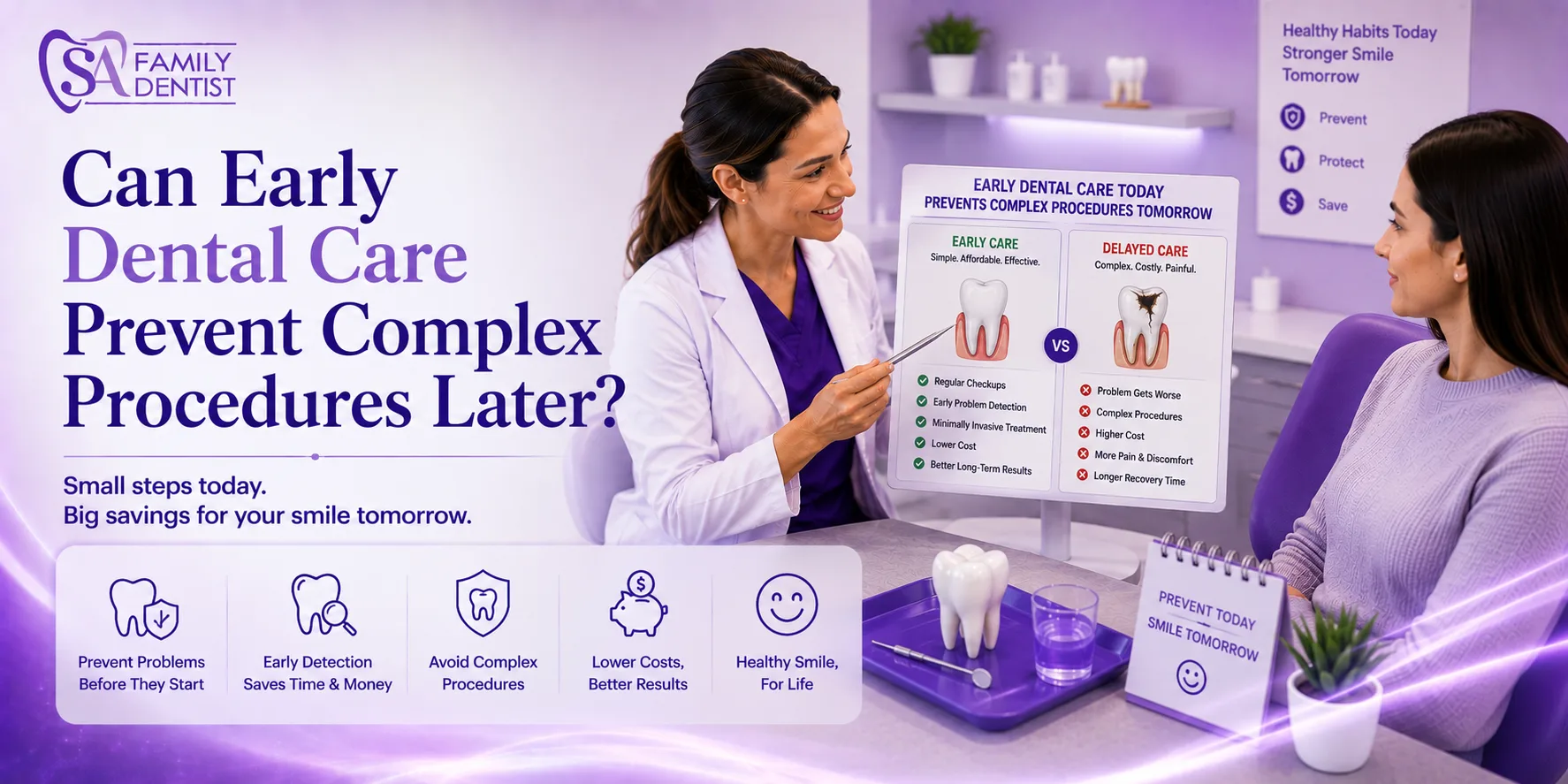
A Cavity Is a Good Example of Why Timing Matters
Consider a developing cavity.
When tooth decay is identified before extensive tooth structure has been damaged, a dentist may be able to remove the affected area and restore the tooth with a filling.
If the decay continues and reaches the inner pulp of the tooth, the situation becomes different. Root canal therapy may be required when the pulp becomes infected or significantly inflamed. If a tooth becomes too badly damaged to restore, extraction may eventually need to be considered.
Not every cavity follows exactly the same path, but the example demonstrates why delaying an assessment can reduce the available treatment options.
For someone concerned about dental costs, finding an affordable dentist nearby is therefore not only about the price of an appointment. Getting appropriate care at the right stage may help avoid dealing with a more complicated dental problem later.
Symptoms Worth Getting Checked
Dental pain is an obvious reason to make an appointment, but it is not the only one.
Consider speaking with a dentist if you notice:
- Tooth sensitivity that persists or becomes worse
- Pain when chewing or biting
- Bleeding or swollen gums
- A chipped, cracked or broken tooth
- A filling or restoration that feels loose or damaged
- Swelling around a tooth or gum
- Persistent toothache
- Changes in the appearance or feel of your teeth and gums
Some symptoms can have several possible causes. A dental examination is important because treatment should be based on the actual cause rather than the symptom alone.
Preventive Visits Matter Even When Nothing Hurts
Dental care should not begin only when something goes wrong.
Routine dental exams and professional cleanings provide opportunities to check the condition of your teeth and gums and identify potential concerns. Your dentist can also discuss brushing, flossing and other preventive habits based on your individual oral health needs.
This approach is particularly important because some dental conditions can progress before noticeable pain develops.
If cost has caused you to postpone routine care, searching for an affordable dentist nearby and asking about available payment or membership options may make regular dental visits easier to plan.
Early Care Does Not Guarantee Simple Treatment
There is an important distinction to make. Visiting a dentist early cannot guarantee that you will avoid a root canal, extraction, periodontal treatment or another complex procedure.
Some dental problems are already advanced when symptoms first appear. Injuries can also cause immediate damage that requires more involved treatment.
The benefit of acting early is that you are giving your dentist an opportunity to diagnose the problem and discuss suitable treatment before unnecessary delays make the situation more difficult.
Protect Your Smile by Acting Before the Problem Grows
Paying attention to small changes in your oral health can make a meaningful difference. Instead of waiting until discomfort interferes with eating, sleeping or daily activities, arrange an assessment when something does not feel right.
If you are looking for an affordable dentist nearby in San Antonio, SA Family Dentist provides preventive, general, restorative and emergency dental care across its San Antonio locations. The team can assess your dental needs and recommend treatment based on your individual situation.
Frequently Asked Questions
1. Can treating a cavity early prevent a root canal?
Treating decay before it reaches the tooth’s pulp may reduce the likelihood of needing root canal therapy. However, the required treatment depends on how far the decay has progressed and the condition of the tooth.
2. Should I see a dentist if my tooth only hurts occasionally?
Yes. Occasional pain can still indicate an underlying dental problem. An examination can help determine what is causing the discomfort and whether treatment is necessary.
3. How often should I have a dental check-up?
The appropriate frequency depends on your oral health, dental history and risk factors. Your dentist can recommend a schedule based on your individual needs.
4. Can gum disease be treated more easily when found early?
Early gum inflammation can often be managed more easily than advanced periodontal disease. Professional dental care combined with appropriate daily oral hygiene can help control gum problems.
5. Why shouldn’t I wait until a dental problem becomes painful?
Pain does not always appear during the early stages of a dental condition. Waiting for severe symptoms may allow decay, infection or gum problems to progress and potentially require more involved treatment.