

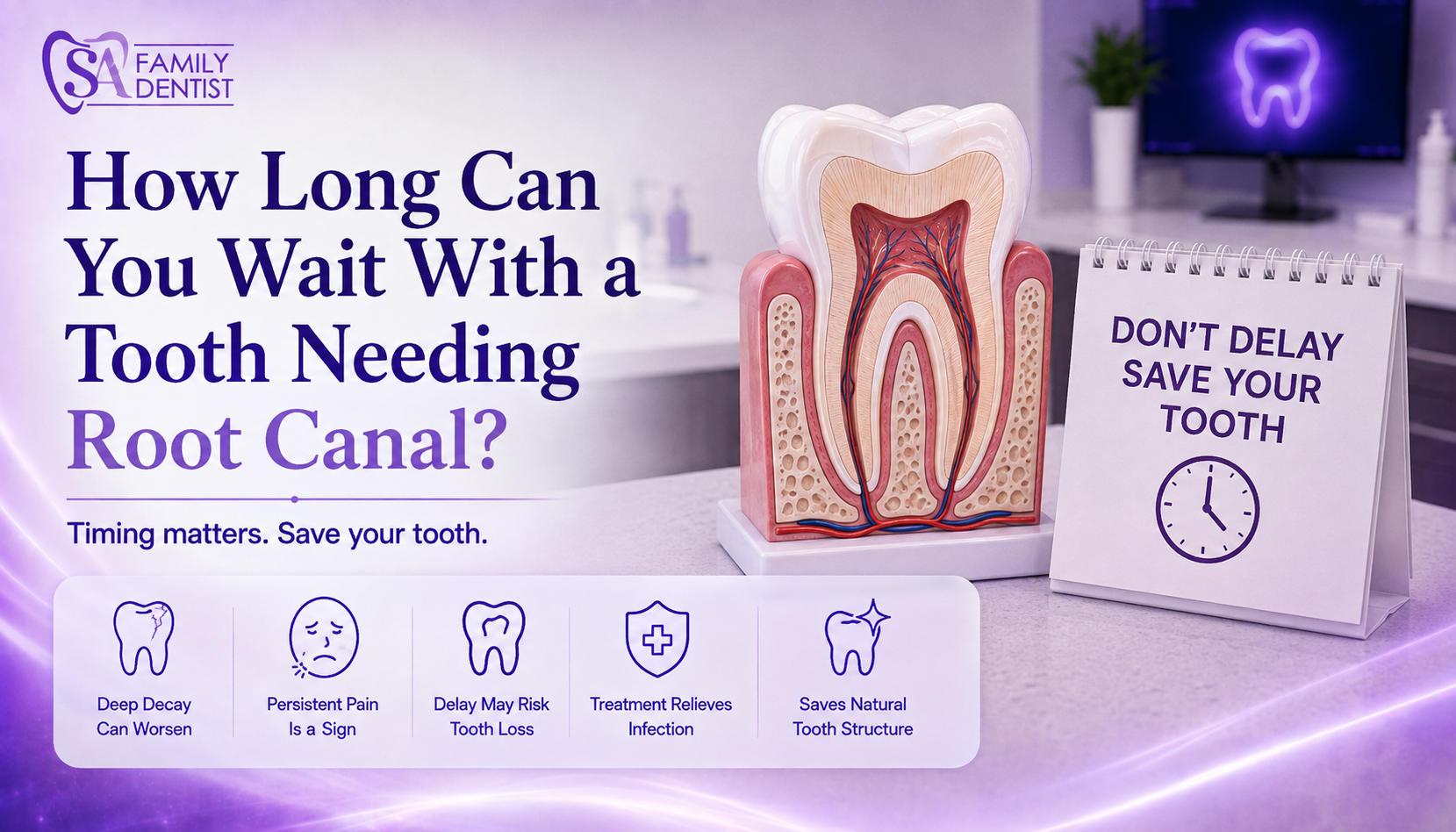
When a dentist tells you that a tooth requires root canal therapy, it is easy to wonder if you can delay the procedure. Life gets busy, work demands pile up, or you might simply feel nervous about taking a seat in the dental chair. If the tooth isn’t causing unbearable pain at this exact moment, waiting a few weeks or even months might feel like a harmless decision.
However, waiting to treat a damaged or infected tooth is always a gamble. Knowing what happens inside your tooth over time can help you make an informed decision and guide you toward the best root canal dentist nearby before a simple fix becomes a complex emergency.
The Reality of Waiting: Why Time Matters
A tooth that requires a root canal has compromised pulp, the living inner tissue containing delicate nerves and blood vessels. Whether caused by deep decay, a structural crack, or physical trauma, this interior chamber has been exposed to harmful bacteria.
Here is what generally happens when treatment is delayed:
- In the First Few Days: Bacteria multiply rapidly inside the soft pulp chamber. You may experience intermittent sensitivity to hot and cold foods, dull throbbing, or discomfort when biting down.
- Within a Few Weeks: The internal nerve tissue begins to break down completely. Inflammation creates intense pressure inside the tooth, often leading to continuous, sharp pain that radiates to your jaw or ear.
- After a Month or More: If the nerve dies completely, active pain may suddenly fade. However, the silent infection moves past the root tip into the jawbone, forming a localized pocket of pus known as an abscess.
While you might be able to tolerate a short delay of a week or two if you are not in severe pain, delaying treatment indefinitely puts your tooth at severe risk.
Risks of Postponing Root Canal Therapy
Holding off on necessary care does not give your body a chance to heal the tooth naturally. Instead, postponing treatment leads to predictable complications:
1. Permanent Loss of the Natural Tooth
As bacteria continue to destroy the inner structure and erode the surrounding bone support, the tooth can become too weak to save. At that point, a complete extraction becomes the only viable option.
2. Destruction of Surrounding Bone
An unmanaged infection at the root tip causes your body to dissolve local bone tissue to make room for the swelling abscess, weakening support for neighboring healthy teeth.
3. Rapidly Spreading Infection
Bacteria do not remain localized forever. A deep root infection can spread into the soft tissues of your cheek, jawline, and neck, leading to noticeable facial swelling and systemic health concerns.
4. More Complex and Costly Procedures
Fixing an early-stage root issue is straightforward. Waiting until the tooth is cracked, heavily infected, or broken down requires more restorative work, which increases both treatment time and out-of-pocket costs.
Subtle Signs Your Tooth Needs Immediate Attention
Do not rely solely on pain to judge the urgency of your situation. You should schedule a visit with an endodontic professional right away if you notice:
- Lingering sensitivity to hot or cold temperatures that lasts long after the food is gone
- A small, pimple-like bump on your gums near the sore tooth
- Dark discoloration or graying of a single tooth
- Pain when chewing, tapping, or applying light pressure to the tooth
- Tender, swollen gums surrounding one specific area
What to Expect During Modern Root Canal Treatment
Root canal therapy has advanced significantly in recent years. Today’s procedures are designed to be quiet, precise, and completely comfortable.
- Complete Numbing: Advanced local anesthetics ensure you do not feel pain during the procedure.
- Clearing the Infection: The doctor creates a tiny opening in the crown to gently remove damaged pulp and bacteria.
- Disinfecting and Sealing: The inner canals are thoroughly cleaned, shaped, and filled with a biocompatible material to prevent future contamination.
- Final Protection: A custom crown is usually placed over the tooth to restore its full biting strength and natural appearance.
Protecting Your Natural Smile for the Future
Saving your natural tooth structure is always the best choice for your long-term chewing function, jaw alignment, and overall oral health. Taking action at the first sign of trouble ensures your treatment remains simple and stress-free.
Gentle, Expert Root Canal Care in San Antonio
If you have been putting off treatment or are actively searching for the best root canal dentist nearby, the compassionate team at SA Family Dentist is here to help save your natural teeth in a calm, stress-free environment. Operating out of three convenient locations on Braun Road, Nacogdoches Road, and Jackson Keller Road, their experienced doctors utilize advanced technology and gentle numbing techniques to ensure your root canal procedure is completely comfortable and smooth.
Frequently Asked Questions
1. Is a root canal procedure painful?
No. Modern root canal treatment is no more uncomfortable than getting a standard filling. Local anesthesia fully numbs the area, and the procedure actually relieves the deep pain caused by the tooth infection.
2. Can I take antibiotics instead of getting a root canal?
No. Antibiotics can help control the spread of bacteria in surrounding soft tissues, but they cannot travel through the blood vessels of a dead inner tooth nerve. The physical infection inside the tooth must be cleaned out directly.
3. How long does a root canal procedure usually take?
Most root canal treatments can be completed in a single appointment lasting between 60 to 90 minutes, depending on the location of the tooth and the complexity of its canal system.
4. What happens if I choose to pull the tooth instead of getting a root canal?
Extracting a tooth leaves a gap that can cause surrounding teeth to shift out of alignment, leading to bite issues and bone loss over time. Replacing an extracted tooth with an implant or bridge is generally more involved than saving it with a root canal.
5. How long will a tooth last after a root canal?
With proper oral hygiene, regular dental cleanings, and a protective custom crown, a tooth treated with a root canal can last for the rest of your life.