
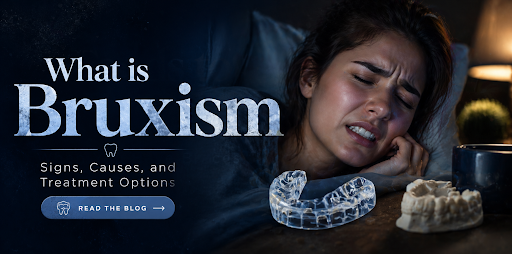
Bruxism is one of the dental conditions that people tend to ignore due to its nature. It refers to grinding, clenching, or gnashing of teeth. This dental problem may remain unnoticed until it causes severe oral problems in the future. If you were looking for a dental clinic near San Antonio, Texas, trying to figure out your mysterious jaw ache and tooth wear, there is a high probability that bruxism may be the issue you need to know more about.
Understanding Bruxism
Bruxism is commonly divided into two categories: awake bruxism and sleep bruxism. Awakened bruxism usually happens during stressful periods or situations when an individual is trying to concentrate on something. In contrast, sleep bruxism is regarded as a movement disorder related to sleep.
Although infrequent teeth grinding may be harmless, constant teeth grinding can be detrimental to one’s oral health since it can lead to teeth damage and jaw muscle pain. It is important to recognize its symptoms to avoid future problems.
Common Signs You Shouldn’t Ignore
Even though bruxism starts slowly, some clear signs show that the condition exists:
- Flattened, chipped, or worn-down teeth
- Increased tooth sensitivity
- Jaw pain or tightness, especially in the morning
- Frequent headaches, particularly around the temples
- Earaches without an actual ear infection
- Disrupted sleep (for those with sleep bruxism)
- Clicking or popping sounds in the jaw
Sometimes, a dentist will notice bruxism in their patients during regular dental examinations by observing teeth wearing down or receding gums.
What Causes Bruxism?
Bruxism is not caused by any one thing but results from several elements, both physiological, psychological, and environmental.
Stress and Anxiety
Emotional stress, which includes feeling anxious, angry, or frustrated, is considered a significant cause of bruxism. Individuals who feel stressed in their daily lives tend to grind their teeth without even realizing that they do so.
Sleep Disorders
Individuals suffering from sleep disorders like sleep apnea are more likely to suffer from sleep bruxism, as poor-quality sleep contributes to increased muscle activity at night.
Sleep Disorders
Having a misaligned bite and missing teeth causes an imbalance in pressure, which prompts the person to grind their teeth to make up for the imbalanced pressure.
Lifestyle Habits
The following lifestyles can contribute to the onset of bruxism:
- Excessive caffeine intake
- Smoking
- Alcohol consumption
- Recreational drug use
Medications
There are certain drugs, especially antidepressants, which have been linked with teeth grinding as one of their side effects.
How Bruxism Affects Oral Health
In cases where bruxism is ignored, many negative consequences can occur.
- Damage to Teeth: The constant grinding of the teeth causes the erosion of enamel and increases the chances of cavities and cracks in teeth.
- Gum Disease: Bruxism places undue pressure on teeth and causes recession of gums.
- Disorders of the Jaw Joint: Constant clenching of the jaw causes TMJ disorder due to strain on the jaw joint.
- Face Pains: Muscles become fatigued, and the face becomes painful.
For individuals noticing these issues, consulting a dental clinic near San Antonio, Texas, can help in diagnosing and managing the condition effectively.
Diagnosis: How Dentists Identify Bruxism
Dentists usually diagnose bruxism by observing certain physical symptoms and by asking patients about them. These include:
- Erosion patterns on teeth
- Pain or soreness in the jaw joints
- Cheek biting habits
- A grinding sound heard during sleeping hours by the spouse
A sleep study may sometimes be required when there is sleep bruxism along with other sleep disorders.
Treatment Options That Make a Difference
The management of bruxism should be done according to the cause and level of the condition. Fortunately, there are many ways to manage the condition.
Custom Night Guards
One of the most common treatments is the use of night guards. This device is specifically made for a patient and worn while sleeping to prevent teeth grinding.
Stress Management Techniques
Considering that stress contributes to bruxism, using methods to relieve stress will go a long way in reducing symptoms. These include:
- Meditation
- Deep breathing exercises
- Yoga
- Behavioral therapy
Corrective Dental Treatments
When bruxism results from bite problems, corrective measures could include:
- Dental crowns
- Orthodontic treatment
- Smoothing out uneven tooth surfaces
Lifestyle Adjustments
Sometimes, altering your lifestyle will greatly impact your health. For example:
- Reducing your intake of caffeine and alcoholic drinks
- Not chewing gum
- Maintaining good sleep hygiene
Muscle Relaxation Therapies
In some instances, physiotherapy and muscle relaxants may help alleviate jaw tension.
Preventing Bruxism: Small Steps, Big Impact
Not all instances of bruxism can be avoided, but several steps can be taken to minimize the chances of developing bruxism or the intensity of the condition:
- Maintain a consistent sleep schedule
- Avoid stimulating substances before bedtime
- Stay hydrated throughout the day
- Be mindful of jaw clenching during waking hours
- Schedule regular dental check-ups
Early treatment is an essential factor in preventing severe complications.
When to Seek Professional Help
It becomes necessary to visit a dentist when you experience constant pain in your jaws, headaches, or tooth damage. While bruxism might not appear dangerous at first, it has serious consequences if left untreated.
Taking the Next Step Toward Relief
Dealing with bruxism early will save you from any further suffering and the expense of going for dental interventions in the future. You can deal with this dental problem either through the use of night guards, stress management techniques, or corrective treatments.
If you are currently undergoing treatment for this and you need a clinic that offers quality dental services, then locating the ideal dental clinic near San Antonio, Texas, is a must. Several dental clinics are offering various services from general dentistry to the creation of custom mouth guards, like SA Family Dentist. Their services include preventive dentistry and custom mouth guards, among other dental services.
Moreover, some of the searches made by people seeking help from bruxism usually contain keywords such as teeth grinding treatment, night guards for bruxism, TMJ pain treatment, treatment for sleep bruxism, among others.