
A patient assumed her diabetes ruled her out before she’d even asked the question. She’d read it somewhere online years ago and just accepted it as fact, never mentioning implants to anyone since. Turned out her blood sugar was well controlled, and that single detail changed everything about her case.
Most people researching best dental implants in San Antonio, TX are carrying around some version of that same assumption, usually based on something they half-remember rather than anything a dentist actually told them.
Here’s what genuinely matters, and what doesn’t matter nearly as much as people think.
Conditions That Need Real Attention, Not Automatic Rejection
Very few things are true hard stops. Most fall into a category where the condition needs to be controlled or managed first, and then implants become possible again.
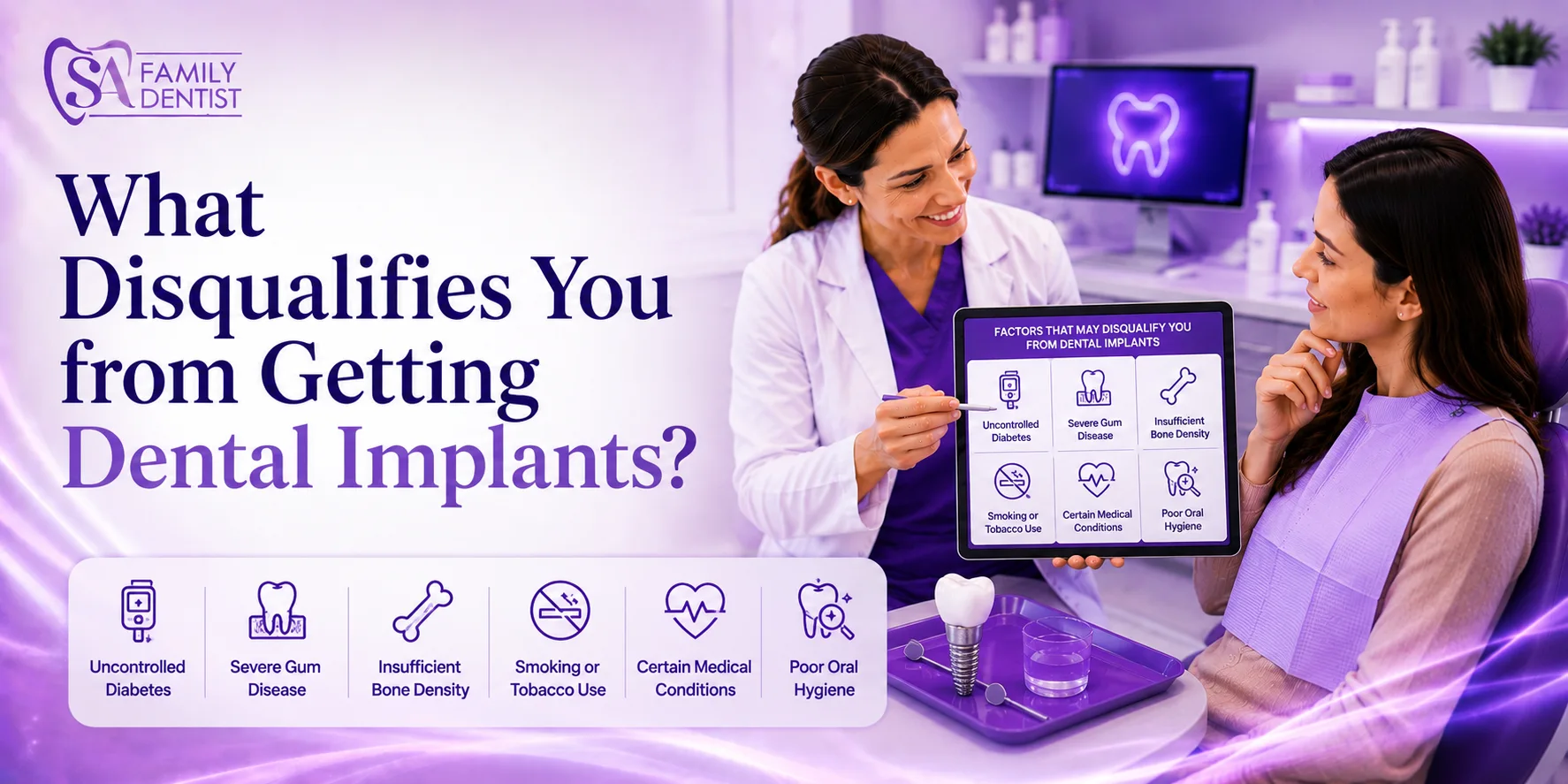
Uncontrolled diabetes is the most common example people bring up. The issue isn’t diabetes itself. It’s blood sugar that’s consistently out of range, because that slows healing and raises infection risk after the implant is placed. Bring blood sugar under control first, and the picture often changes entirely.
Active gum disease works similarly. Implants need healthy gum tissue and adequate bone to anchor into. Untreated periodontal disease undermines both. Treat the gum disease first, let things heal, and implants frequently move back onto the table.
Smoking sits in this same category, though it’s talked about less directly. Smoking slows healing and raises failure rates for implants specifically, more than for most other dental work. Some dentists ask patients to quit, or at least pause, for a period before and after the procedure. It’s not a permanent disqualifier. It’s a request to give the implant its best shot at actually healing.
Bone Density, The Quieter Issue
Not enough bone in the jaw to support an implant sounds like a dead end, but it usually isn’t one anymore. Bone grafting can rebuild density in the area before implants go in. It adds time to the process, sometimes several months, but it turns what used to be an automatic no into a delayed yes.
Conditions That Genuinely Complicate Things More
A few situations carry more real risk and need a more careful conversation before moving forward.
- Certain autoimmune conditions that affect healing broadly, not just in the mouth
- A history of radiation treatment to the jaw area, which can affect bone quality long-term
- Severe, uncontrolled bone-related conditions that affect how bone heals after surgery
None of these are necessarily automatic either. They’re situations where a dentist needs a clearer picture of someone’s full medical history, sometimes working alongside a physician, before deciding whether implants make sense and what precautions to take.
What Rarely Matters As Much As People Assume
Age alone isn’t a disqualifier. Plenty of people in their seventies and eighties get implants successfully, as long as overall health supports healing. A patient’s general anxiety about the procedure also isn’t a medical disqualifier, even though it feels like a big deal walking in. That’s a conversation about comfort and pacing, not eligibility.
Conclusion
The honest version of this answer is that almost nothing is permanent. Most conditions that come up are things to manage, treat, or stabilize first, not reasons to give up on the idea entirely.
A real evaluation looks at someone’s full health picture before saying yes or no to anything, rather than ruling someone out based on a condition name alone without checking how well-controlled it actually is.
At SA Family Dentist, we look at the full picture before telling anyone they’re not a candidate, because most conditions that sound disqualifying turn out to be manageable with the right plan. If you’re considering the best dental implants in San Antonio, TX and assume a health condition rules you out, book a consultation and let’s actually check before you count yourself out.
FAQs
1. Can I get dental implants if I have diabetes?
Yes, many people with diabetes can successfully receive dental implants. The key factor is whether blood sugar levels are well controlled, as this helps support proper healing and reduces the risk of complications.
2. Does gum disease prevent me from getting dental implants?
Active gum disease may delay implant treatment, but it does not automatically disqualify you. In most cases, the gum disease can be treated first, allowing implant placement once oral health has improved.
3. Can smokers get dental implants?
Smokers may still be candidates for dental implants, but smoking can increase the risk of implant failure and slow the healing process. Your dentist may recommend reducing or stopping smoking before and after treatment.
4. What happens if I don’t have enough jawbone for an implant?
Insufficient bone density does not always rule out implants. Procedures such as bone grafting can often rebuild the jawbone and create a stronger foundation for successful implant placement.
5. Does age affect eligibility for dental implants?
Age alone is not usually a barrier to dental implant treatment. Overall health, bone quality, and healing ability are generally more important factors than a patient’s age when determining candidacy.